
Contents
- 🏛️ Introduction to Augustus Pugin
- 📚 Early Life and Education
- 🏗️ Architectural Career and Influences
- 🔥 The Gothic Revival Movement
- 🏰 Notable Works and Designs
- 🌟 Collaboration with Charles Barry
- 📸 Pugin's Impact on Interior Design
- 👥 Criticisms and Controversies
- 🏛️ Legacy and Influence
- 📊 Preservation and Restoration Efforts
- 👀 Modern Appreciation and Relevance
- Frequently Asked Questions
- Related Topics
Overview
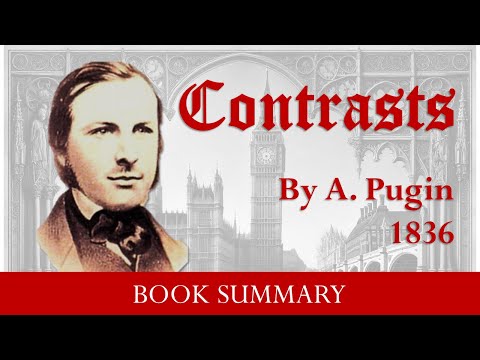
Augustus Pugin, born on March 1, 1812, in Bloomsbury, London, was a British architect, designer, and theorist who left an indelible mark on the Gothic Revival movement. With a Vibe score of 82, Pugin's work continues to inspire and influence contemporary architecture. His most notable projects include the Houses of Parliament and the Big Ben clock tower, designed in collaboration with Charles Barry. Pugin's life was marked by contrasts, from his early success as a designer of theatrical scenery to his later struggles with mental health and personal turmoil. Despite these challenges, Pugin remained a prolific writer and designer, publishing numerous books and articles on architecture, including his seminal work, 'Contrasts,' which critiqued the social and architectural ills of his time. As a testament to his enduring influence, Pugin's designs continue to shape the built environment, with his work on the Houses of Parliament alone attracting over 1 million visitors annually.
🏛️ Introduction to Augustus Pugin
Augustus Pugin was a prominent English architect, designer, and theorist of the 19th century, best known for his role in the Gothic Revival movement. Born on March 1, 1812, in Bloomsbury, London, Pugin was the son of a French draughtsman and an English mother. His early life and education laid the foundation for his future career, with influences from his father's work and the Catholic Church. Pugin's conversion to Catholicism in 1835 had a significant impact on his architectural style and philosophy. He believed that Gothic architecture was the true expression of Christian faith, and this conviction guided his designs. Pugin's work was also influenced by the ideas of A.W.N. Pugin, his father, who was a prominent architect and designer in his own right.
📚 Early Life and Education
Pugin's early life was marked by a strong interest in architecture and design. He was apprenticed to a London architect at the age of 15 and later studied at the Royal Academy. Pugin's education was also influenced by his travels to Europe, where he was exposed to various architectural styles, including Gothic architecture. His experiences during this period had a lasting impact on his design philosophy and approach to architecture. Pugin's work was also shaped by his relationships with other prominent architects and designers of the time, including Charles Barry. The two architects collaborated on several projects, including the Houses of Parliament. Pugin's designs for the interior of the building are still admired today for their beauty and attention to detail.
🏗️ Architectural Career and Influences
Pugin's architectural career was marked by a series of notable commissions and designs. He was a prolific architect, and his work includes churches, cathedrals, and other buildings in the Gothic Revival style. Pugin's designs were influenced by his belief in the importance of Christianity and the need for architecture to reflect this. He was also concerned with the social and moral implications of architecture, and his designs often incorporated elements of social reform. Pugin's work was not limited to architecture; he was also a talented designer of furniture, textiles, and other decorative arts. His designs for interior design are still influential today, and his work in this area helped to establish the Gothic Revival style as a major force in 19th-century design.
🔥 The Gothic Revival Movement
The Gothic Revival movement was a major architectural and design movement of the 19th century. It was characterized by a renewed interest in Gothic architecture and the use of Gothic elements in design. Pugin was a leading figure in the movement, and his work helped to define its style and philosophy. The Gothic Revival movement was not limited to architecture; it also influenced literature, art, and other areas of culture. Pugin's work was influenced by the ideas of other prominent figures of the time, including John Ruskin and Thomas Carlyle. The movement's emphasis on Christianity and the importance of moral values also reflected Pugin's own beliefs and values.
🏰 Notable Works and Designs
Pugin's notable works and designs include the Houses of Parliament, St Giles' Catholic Church, and Oxford Town Hall. His designs for these buildings showcase his mastery of the Gothic Revival style and his attention to detail. Pugin's work was not limited to large-scale architectural projects; he also designed furniture, textiles, and other decorative arts. His designs for interior design are still influential today, and his work in this area helped to establish the Gothic Revival style as a major force in 19th-century design. Pugin's collaborations with other architects and designers, including Charles Barry, also reflect his commitment to the Gothic Revival movement and its ideals.
🌟 Collaboration with Charles Barry
Pugin's collaboration with Charles Barry on the Houses of Parliament was a significant moment in his career. The two architects worked together to design the building's interior, with Pugin responsible for the decorative elements and Barry overseeing the overall design. The result was a building that showcased the best of Gothic Revival architecture and design. Pugin's work on the project helped to establish him as a leading figure in the movement, and his designs for the interior of the building are still admired today. The collaboration between Pugin and Barry also reflects the spirit of cooperation and mutual respect that characterized the Gothic Revival movement. Other notable collaborations include Pugin's work with A.W.N. Pugin, his father, and John Ruskin, a prominent art critic and social reformer.
📸 Pugin's Impact on Interior Design
Pugin's impact on interior design was significant, and his work in this area helped to establish the Gothic Revival style as a major force in 19th-century design. His designs for furniture, textiles, and other decorative arts are still influential today, and his emphasis on Christianity and moral values reflected his commitment to the Gothic Revival movement. Pugin's work was also influenced by his relationships with other prominent architects and designers of the time, including Charles Barry and John Ruskin. The Gothic Revival movement's emphasis on Gothic architecture and the use of Gothic elements in design also reflected Pugin's own beliefs and values. Pugin's designs for interior design continue to inspire designers and architects today, and his work remains a testament to the enduring power of the Gothic Revival style.
👥 Criticisms and Controversies
Pugin's work was not without controversy, and he faced criticisms from some of his contemporaries. Some critics argued that his designs were too focused on Gothic architecture and did not adequately reflect the needs of modern society. Others criticized his emphasis on Christianity and moral values, arguing that these elements were too prominent in his designs. Despite these criticisms, Pugin's work remains widely admired today, and his influence can be seen in many areas of architecture and design. The Gothic Revival movement, which Pugin helped to define, continues to inspire architects and designers around the world. Pugin's legacy is a testament to the enduring power of his ideas and the significance of his contributions to the world of architecture and design.
🏛️ Legacy and Influence
Pugin's legacy is a complex and multifaceted one, reflecting both the strengths and weaknesses of his designs and ideas. His emphasis on Gothic architecture and the use of Gothic elements in design helped to establish the Gothic Revival style as a major force in 19th-century architecture and design. His commitment to Christianity and moral values reflected his own beliefs and values, and his designs continue to inspire architects and designers today. However, Pugin's work was also criticized for its focus on Gothic architecture and its lack of attention to the needs of modern society. Despite these criticisms, Pugin's legacy remains an important part of the history of architecture and design, and his influence can be seen in many areas of contemporary design. The Gothic Revival movement, which Pugin helped to define, continues to inspire architects and designers around the world.
📊 Preservation and Restoration Efforts
Pugin's work has been the subject of numerous preservation and restoration efforts over the years. Many of his buildings, including the Houses of Parliament and St Giles' Catholic Church, have been carefully restored and preserved to reflect their original designs. These efforts have helped to ensure that Pugin's legacy continues to be celebrated and admired, and his work remains an important part of the cultural heritage of the United Kingdom. The Gothic Revival movement, which Pugin helped to define, continues to inspire architects and designers around the world, and his influence can be seen in many areas of contemporary design. Pugin's designs for interior design are still influential today, and his emphasis on Christianity and moral values reflected his commitment to the Gothic Revival movement.
👀 Modern Appreciation and Relevance
Pugin's work continues to be celebrated and admired today, and his influence can be seen in many areas of contemporary design. The Gothic Revival movement, which he helped to define, remains a significant force in architecture and design, and his designs for interior design are still influential today. Pugin's emphasis on Christianity and moral values reflected his commitment to the Gothic Revival movement, and his work continues to inspire architects and designers around the world. As the world of architecture and design continues to evolve, Pugin's legacy remains an important part of its history and heritage. The Gothic Revival movement, which Pugin helped to define, continues to inspire architects and designers around the world, and his influence can be seen in many areas of contemporary design.
Key Facts
- Year
- 1812
- Origin
- London, England
- Category
- Architecture, History, Biography
- Type
- Person
Frequently Asked Questions
What was Augustus Pugin's role in the Gothic Revival movement?
Augustus Pugin was a leading figure in the Gothic Revival movement, and his work helped to define its style and philosophy. He was a prominent architect, designer, and theorist, and his designs for buildings such as the Houses of Parliament and St Giles' Catholic Church showcased the best of Gothic Revival architecture. Pugin's emphasis on Christianity and moral values reflected his commitment to the movement, and his work continues to inspire architects and designers today.
What were some of Pugin's notable works and designs?
Pugin's notable works and designs include the Houses of Parliament, St Giles' Catholic Church, and Oxford Town Hall. His designs for these buildings showcase his mastery of the Gothic Revival style and his attention to detail. Pugin's work was not limited to large-scale architectural projects; he also designed furniture, textiles, and other decorative arts. His designs for interior design are still influential today, and his work in this area helped to establish the Gothic Revival style as a major force in 19th-century design.
What was Pugin's relationship with Charles Barry?
Pugin and Charles Barry collaborated on several projects, including the Houses of Parliament. The two architects worked together to design the building's interior, with Pugin responsible for the decorative elements and Barry overseeing the overall design. The result was a building that showcased the best of Gothic Revival architecture and design. Pugin's work on the project helped to establish him as a leading figure in the movement, and his designs for the interior of the building are still admired today.
What was Pugin's impact on interior design?
Pugin's impact on interior design was significant, and his work in this area helped to establish the Gothic Revival style as a major force in 19th-century design. His designs for furniture, textiles, and other decorative arts are still influential today, and his emphasis on Christianity and moral values reflected his commitment to the movement. Pugin's work was also influenced by his relationships with other prominent architects and designers of the time, including Charles Barry and John Ruskin.
What is Pugin's legacy?
Pugin's legacy is a complex and multifaceted one, reflecting both the strengths and weaknesses of his designs and ideas. His emphasis on Gothic architecture and the use of Gothic elements in design helped to establish the Gothic Revival style as a major force in 19th-century architecture and design. His commitment to Christianity and moral values reflected his own beliefs and values, and his designs continue to inspire architects and designers today. However, Pugin's work was also criticized for its focus on Gothic architecture and its lack of attention to the needs of modern society.
What are some of the challenges facing the preservation and restoration of Pugin's work?
The preservation and restoration of Pugin's work are challenging tasks, requiring careful attention to detail and a deep understanding of his designs and ideas. Many of his buildings have been altered or damaged over the years, and restoring them to their original state can be a complex and difficult process. Additionally, the materials and techniques used in Pugin's time are often no longer available, making it necessary to find alternative solutions that are consistent with his original designs.
How does Pugin's work continue to influence contemporary design?
Pugin's work continues to influence contemporary design, and his emphasis on Gothic architecture and the use of Gothic elements in design remains a significant force in architecture and design. His designs for interior design are still influential today, and his commitment to Christianity and moral values reflected his own beliefs and values. Pugin's legacy is a testament to the enduring power of his ideas and the significance of his contributions to the world of architecture and design.